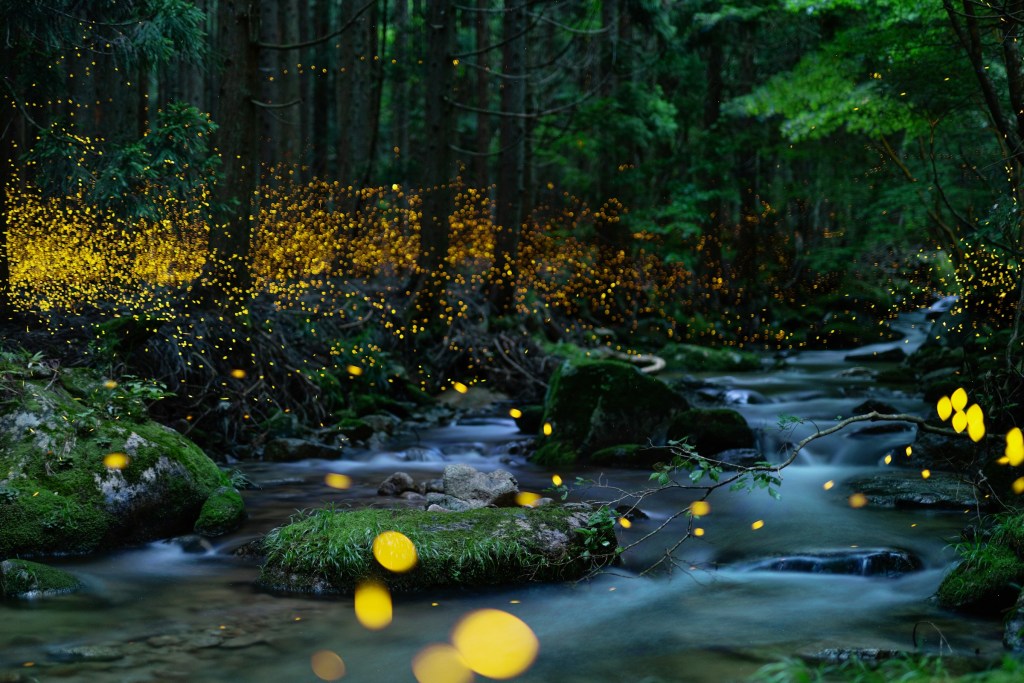

“There are scars, with sunshine where shade used to be, wider creeks and patches of empty ground where last year someone’s home or livelihood stood.”
Katie Wadington, The Hill
Friday marked the one year anniversary of Hurricane Helene. According to the National Hurricane Center Tropical Cyclone Report, Helene caused 250 deaths across 7 states. 107 of those deaths were in North Carolina. The hurricane also caused $80 billion in estimated damages, with $60 billion of the total in the Tar Heel State.1
It took nearly two months for clean drinking water to return to Asheville. Portions of Highway 40 into Tennessee did not reopen for 6 months and are scheduled to be under repair for 3 more years.
These before and after photos put into perspective how much the hurricane destroyed the landscape.


Call it global warming/climate change or just a very, very bad storm. The deaths were real and the damage was real but so were the incredible stories of resilience and community.
There were big stories, like how WNC natives, Luke Combs and Eric Church’s Concert for the Carolinas, which raised nearly $25M for relief efforts.

But also remarkable are the stories of regular people doing what they could for the community.

Less prominent are the stories of the regular people who turned into heroes for the community. For example, one guy, using construction equipment, diverted a culvert to prevent a neighborhood from flooding. He delivered supplies by horse and mule to people in East Tennessee, just west of Boone, because the roads were torn up from the storm. He organized friends to clear trees off roads, then cut and delivered the wood to the community, which was still without power. I know this, not because of a news story, but because he is family. His story is one of many stories of people stepping up and helping their community when they needed it most.
Here are a few stories looking back at the recovery efforts over the past year:
- Western NC – App State One Year After Helene. This video spotlights the work of the Appalachian State University — its employees and students — reaching into their community, including “the resilience of mountain people,” to provide food, clean water, and dissipate flooded water.
- East Tennessee: One year after Hurricane Helene, the spirit of our Appalachian Mountain communities is as strong as ever. Similar to App State, this video highlights how the students and staff at East Tennessee University reacted to the devastation in their community with action, including continued community programs educating about emergency “go bags” and teaching about weather patterns and education about flood patterns and building.
- The Appalachian Trail Conservancy: One year later; Recovery and Resilience After Hurricane Helene. Helene caused the massive trees along about 81,500 acres of the Appalachian Trail to snap like match sticks and washed away bridges through Virginia, Tennessee, North Carolina, and Georgia. In five months, volunteers cleaned and cleared a lot of the damage, but more work is to be done. The Appalachian Trail Resiliency Fund (described in the linked article) is a source for donations for that work.
- Mission Mule’s Facebook page, where they highlight some of the memorials in Western NC to remember the many who died in the storm and the great work they do helping those in hardest to reach places.
Recent signs of recovery:
- US Army Corps of Engineers “achieved a tremendous milestone last week in completing the debris and silt removal from the Rumbling Bald Beach and Marina area of Lake Lure. They have removed 26,890 dump truck loads of material from the lake so far.”
- Chimney Rock at Chimney Rock State Park officially reopened to the public on Friday, June 27.
- Mount Mitchell State Park reopened Sept. 15, 2025, for the first time since Hurricane Helene. The reopening coincides with the Blue Ridge Parkway reopening between milepost 382 in Asheville and milepost 355.3, near the entrance to the state park. With this announcement, all North Carolina state parks are now at least partially open.

To the mountain people: Thank you for showing the rest of the world what resilience and community mean.